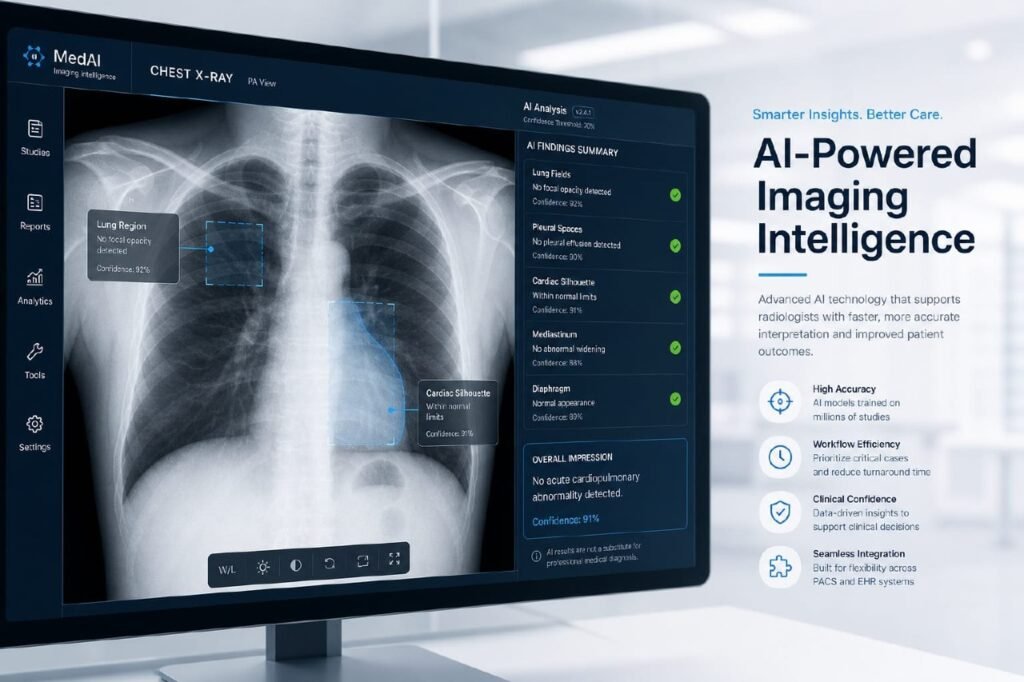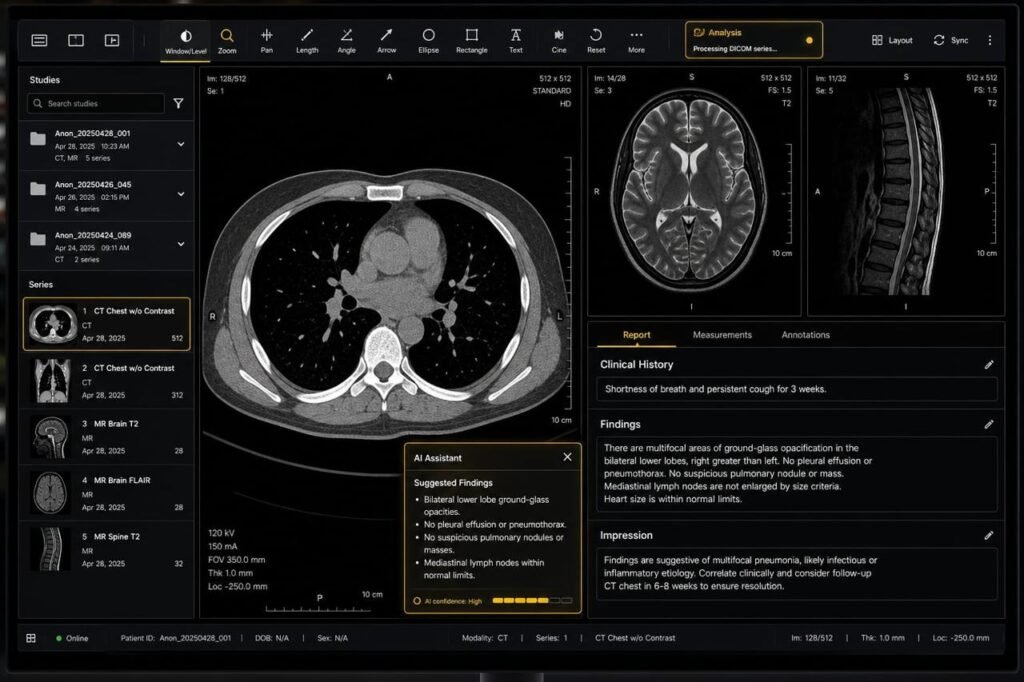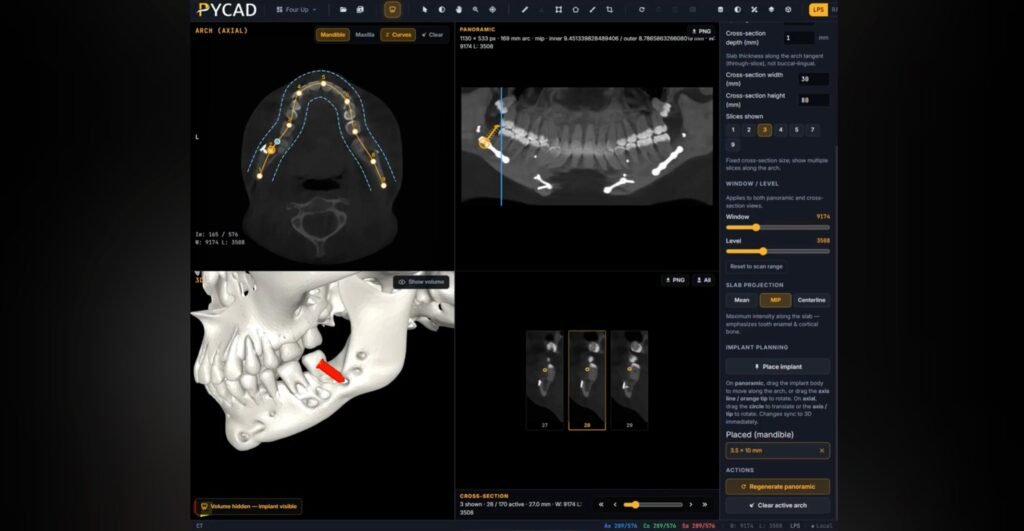
Picture this: an air traffic control tower for medical imaging. That’s the simplest way to think about a RIS PACS system. It’s the central nervous system for any modern radiology department, orchestrating a complex world of diagnostics with order, speed, and precision. This integrated platform is the digital backbone connecting patient information with the critical medical images needed for their care, ensuring a seamless journey from the initial scan to the final diagnosis.
The Digital Heartbeat of Modern Radiology
A RIS PACS system isn't a single piece of software; it's a powerful duo working in perfect harmony. Think of it as a highly efficient two-person team. One person manages all the logistics and paperwork, while the other handles the specialized technical work. Working together, they break down dangerous information silos and create the unified, high-speed flow of data that is absolutely essential for modern patient care.
The two core components are:
- Radiology Information System (RIS): This is the workflow engine and administrative hub. It manages the entire patient journey through the radiology department—from scheduling appointments and tracking their status to handling billing and distributing the final reports.
- Picture Archiving and Communication System (PACS): This is the secure digital vault and high-performance viewing station for all medical images. It pulls images directly from scanners like MRI or CT machines, stores them securely, and gives radiologists the advanced tools they need for interpretation. We cover this in more detail in our guide on what a PACS system is.
To really understand how they differ yet complement each other, let's break it down.
RIS vs PACS At a Glance
This table offers a quick comparison of the distinct roles and primary functions of the Radiology Information System (RIS) and the Picture Archiving and Communication System (PACS).
| Function | Radiology Information System (RIS) | Picture Archiving and Communication System (PACS) |
|---|---|---|
| Primary Role | Workflow and information management | Image storage, retrieval, and viewing |
| Core Functions | Patient scheduling, billing, reporting, order management, patient tracking | Archiving (DICOM images), distribution, image manipulation tools, viewing |
| Main Users | Radiologists, administrative staff, schedulers, referring physicians | Radiologists, technologists, specialists, referring physicians |
| Data Handled | Patient demographics, medical history, orders, reports, billing data (HL7) | Medical images (CT, MRI, X-ray), multimedia files (DICOM) |
| Analogy | The "brain" or "project manager" of the radiology department | The "digital library" or "high-tech viewing room" for medical images |
As you can see, one system handles the "story" (the who, what, and why), while the other manages the "evidence" (the images).
The Power of Integration
When a RIS and a PACS are truly integrated, they create a single source of truth for the entire radiology department. The RIS knows who the patient is and why they need a scan. The PACS holds the visual proof—the images themselves. This tight integration ensures every image is automatically linked to the correct patient record and clinical context, which dramatically reduces the risk of human error.
This synergy is what's driving significant investment across the healthcare world. The global market for these systems was valued at USD 2.29 billion in 2024 and is projected to hit USD 4.62 billion by 2034, growing at a steady clip. A quick look at the market trends shows just how significant this digital shift is.
At its core, a RIS PACS system transforms radiology from a series of disconnected steps into a fluid, data-driven process. It empowers clinical teams to make faster, more accurate diagnoses, which directly translates to better patient outcomes.
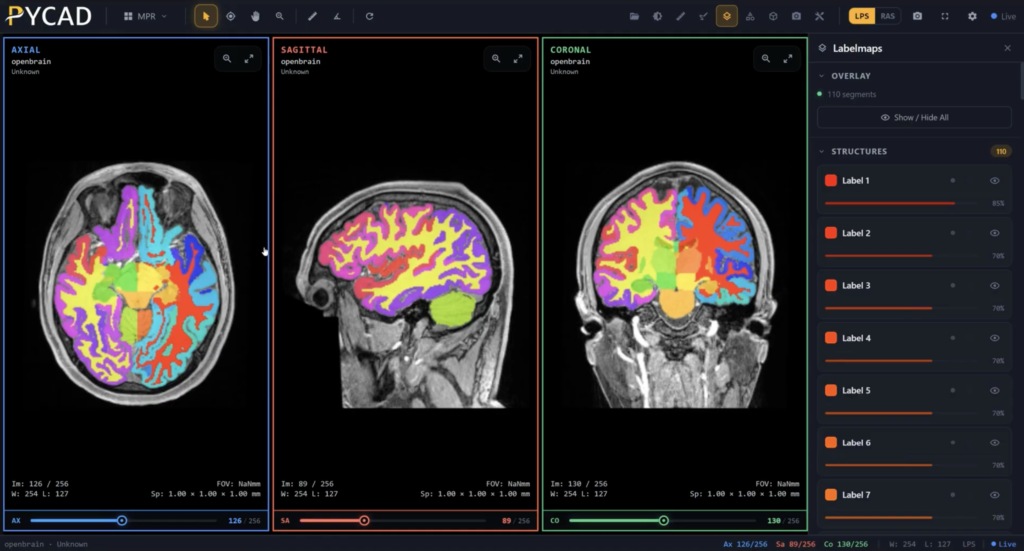
Here at PYCAD, we specialize in elevating this digital ecosystem. We build custom web DICOM viewers and integrate them into medical imaging web platforms, ensuring radiologists and clinicians have the most effective tools right at their fingertips. To see how we tailor these solutions to specific clinical needs, feel free to browse our portfolio of innovative projects.
This guide will walk you through every facet of this system, from its underlying architecture to successful implementation.
2. Mapping the Digital Patient Journey
To really get a feel for how a RIS PACS system works, let's walk through a patient's experience. This isn't just about appointments and scans; it's a carefully orchestrated flow of information, all designed to get to an accurate diagnosis as quickly and safely as possible. The process kicks off well before a patient ever sets foot in the imaging department.
It all starts with a digital handshake. A doctor decides a scan is needed and places an order. That order zips right into the Radiology Information System (RIS), which acts like the air traffic controller for the entire imaging department. The RIS immediately grabs the patient's demographics, relevant medical history, and the specific details of the exam. From there, schedulers use the system to lock in the best appointment time, juggling equipment availability and staff schedules to keep things running smoothly.
This flow is what makes the whole system tick. You can see how the administrative side (RIS) and the clinical imaging side (PACS) work together to move the patient from one step to the next.
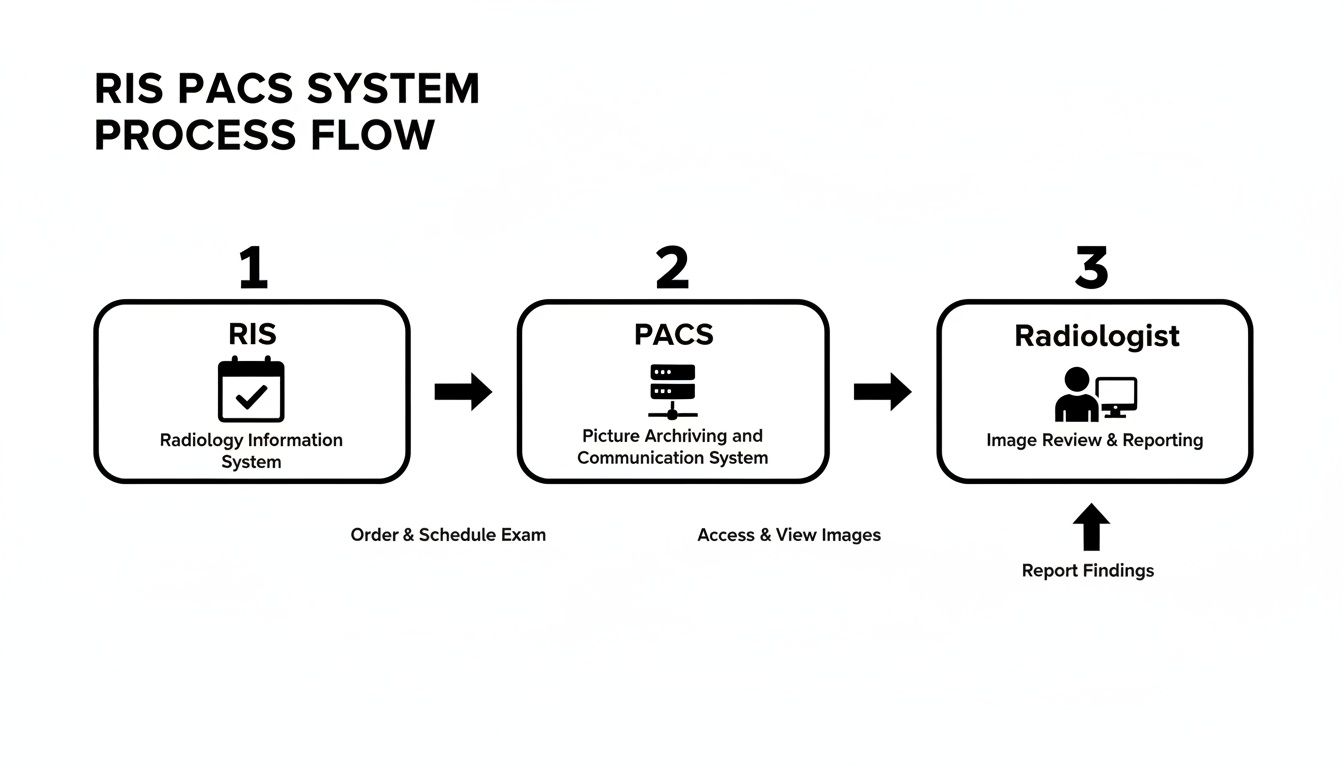
The diagram really shows how these systems pass the baton at each stage, creating a single, connected path that dramatically cuts down on potential mistakes.
The Universal Languages of Healthcare Data
When the patient finally arrives for their scan, the RIS has already done the prep work. The technologist operating the MRI, CT, or X-ray machine simply pulls up their daily schedule, which is powered by something called a DICOM Modality Worklist. The RIS sends all the correct patient and study information directly to the scanner. This simple step is huge—it gets rid of manual data entry and nearly eliminates the terrifying risk of mixing up patient records.
After the scan is complete, the images are created. Now, these images have to be readable by all sorts of different software and hardware from countless vendors. To make this possible, they all speak a common language: DICOM (Digital Imaging and Communications in Medicine).
Think of DICOM as the JPEG of the medical world, but on steroids. It’s a powerful standard that bundles the high-resolution image with a ton of critical metadata—like the patient’s ID, the date of the scan, and technical acquisition details—all into one neat, universally understood package.
While DICOM handles the images, another standard called HL7 (Health Level Seven) manages all the other data. If DICOM is the language for pictures, HL7 is the trusted courier for everything else: patient demographics, physician orders, billing information, and final reports. It’s what keeps the RIS, PACS, and the hospital’s main Electronic Medical Record (EMR) system all on the same page.
This constant, seamless conversation between DICOM and HL7 is the hidden engine driving the whole operation. It’s an intricate data dance ensuring the right images are always tied to the right patient and the right clinical context.
From Acquisition to Diagnosis
Once the images are captured in the DICOM format, they’re sent straight to the Picture Archiving and Communication System (PACS). The PACS is essentially a massive, secure digital library. It archives the enormous image files and makes them instantly accessible to authorized users anywhere on the network.
A radiologist—who could be down the hall or even in another country—gets an alert that a new study is ready to be read. They pull up their worklist (often managed by the RIS) and open the images in a specialized PACS viewer. This is where the real power of digital radiology shines. The radiologist can zoom, pan, and manipulate the images, pull up prior scans for comparison, and ultimately, craft their diagnostic report.
This entire sequence is a powerful demonstration of the efficiency you gain with a tightly integrated platform. At PYCAD, this is exactly what we live and breathe. We build custom web DICOM viewers and weave them into comprehensive medical imaging web platforms that make this digital patient journey as flawless as possible. To see these principles in action, feel free to explore some of our projects in our portfolio.
5. Choosing Your Foundation: On-Premise vs. Cloud
Where your RIS PACS system "lives" is one of the most fundamental decisions you'll make. This isn't just a technical detail about servers and software; it's a strategic choice that will define your organization's agility, scalability, and financial model for years to come.
There’s no one-size-fits-all answer here. The right path depends entirely on your operational needs, your budget, and your long-term vision for patient care. Let's break down the two main paths you can take.
The On-Premise Fortress
Think of an on-premise deployment as building your own fortress. You own the land (your data center), you build the walls (your servers and storage), and you station your own guards (your IT team). Every component of the RIS PACS system resides within your physical walls, under your direct control.
This approach gives you the ultimate say over everything. Your team is hands-on with security protocols, performance tuning, and maintenance schedules. For large hospital systems with robust IT departments and strict data sovereignty rules, this model offers a powerful sense of security and direct oversight. The flip side? The responsibility is all yours, from the significant upfront capital investment to every ongoing operational cost.
The Cloud-Based Ecosystem
A cloud-based system is a completely different philosophy. Instead of building your own fortress, you plug into a vast, secure, and scalable digital ecosystem managed by experts like AWS, Google Cloud, or Microsoft Azure. This model flips the script on capital expenditure, eliminating the need to buy and maintain massive amounts of hardware.
The advantages here are compelling. It unlocks remote access for radiologists and referring physicians anywhere with an internet connection—a game-changer for teleradiology and modern collaborative care. This isn't a niche trend; it's a massive industry shift. The cloud-based PACS market is projected to grow at a staggering 15% CAGR, rocketing to USD 5.52 billion by 2033. This surge is fueled by a desperate need for the very flexibility and accessibility the cloud provides.
Many of these are delivered as SaaS (Software as a Service) solutions, which offer predictable, subscription-based pricing. This makes them an incredible option for growing clinics and agile medtech startups that need to scale without breaking the bank.
Deployment Models: On-Premise vs. Cloud
To make the right decision, it helps to see the two models side-by-side. This table breaks down the key differences to help you weigh the pros and cons based on your organization's specific needs and resources.
| Criteria | On-Premise System | Cloud-Based System |
|---|---|---|
| Initial Cost | High (Major capital expenditure for hardware, software licenses, and facilities) | Low (Minimal upfront costs, pay-as-you-go subscription model) |
| Ongoing Costs | Variable (Maintenance, IT staff, power, cooling, hardware upgrades) | Predictable (Fixed monthly or annual subscription fees) |
| Control | Maximum (Full control over hardware, software, security, and data) | Limited (Control is shared with the cloud vendor) |
| Scalability | Limited & Costly (Requires purchasing and installing new hardware) | High & Elastic (Scale resources up or down on demand) |
| Accessibility | Limited (Typically restricted to the internal network unless complex VPNs are set up) | High (Accessible from anywhere with an internet connection) |
| Maintenance | Internal Responsibility (Your IT team manages all updates, patches, and repairs) | Vendor Responsibility (The provider handles all infrastructure maintenance) |
| Security | Directly Managed (Your team is fully responsible for physical and cybersecurity) | Shared Responsibility (Vendor secures the infrastructure; you secure your data and access) |
| Implementation | Long & Complex (Requires significant time for setup and configuration) | Fast & Simple (Rapid deployment, often ready in days or weeks) |
Ultimately, choosing between an on-premise fortress and a cloud-based ecosystem comes down to a fundamental question of strategy: Do you value direct control and ownership above all else, or is your priority agility, scalability, and operational efficiency?
The decision between on-premise and cloud isn't just a technical one; it's a strategic choice. On-premise offers control and ownership, while the cloud offers agility, scalability, and operational efficiency.
It's also important to know this isn't a strictly either/or choice anymore. Hybrid models are gaining traction, offering the best of both worlds. You can keep sensitive patient data securely on-site while using the cloud's power for image sharing, AI processing, and disaster recovery.
This is exactly where we at PYCAD thrive. We specialize in building custom web DICOM viewers and integrating them into powerful medical imaging platforms, no matter the deployment model. Whether you're all-in on the cloud, committed to on-prem, or exploring a hybrid future, we can build the tools you need. To see our capabilities, we invite you to explore our portfolio page.
The Power of a Unified Healthcare Ecosystem
A standalone RIS/PACS system is powerful, no doubt. But it’s like a brilliant specialist working in a silo. Its true potential is unleashed only when it becomes the central hub of a connected healthcare ecosystem. By integrating it with the other critical platforms in a hospital or clinic, we transform it from a departmental tool into an enterprise-wide asset that elevates patient care from every angle.
This integration breaks down the digital walls that have traditionally separated different parts of the patient journey, creating a single, cohesive source of truth.
Connecting Images to the Complete Patient Story
The most foundational integration is linking the RIS/PACS system with the Electronic Medical Record (EMR) or Hospital Information System (HIS). Think of the EMR/HIS as the patient's complete biography—it holds their entire clinical history, lab results, medications, and treatment plans. The PACS, on the other hand, holds the visual evidence.
When these systems talk to each other, a physician can open a patient's EMR and seamlessly launch their latest CT scan right from the record. No more switching screens or hunting for data. This direct link provides invaluable context. Conversely, a radiologist reading that scan can pull relevant clinical history from the EMR, leading to a much more informed and accurate diagnosis. It’s a two-way street that ensures every decision is made with the full picture in view.
For a deeper dive into making this connection work, check out our in-depth guide to successful PACS integration strategies.
Reshaping Patient Engagement with CRM
Integration potential extends far beyond just clinical data. Connecting your RIS/PACS system to a Customer Relationship Management (CRM) platform can completely reshape how you communicate with patients and manage their follow-up care.
Imagine this workflow:
- A patient completes their MRI, and the report is finalized in the RIS.
- The CRM automatically triggers a secure message to the patient, letting them know their results are ready and outlining the next steps.
- If the report indicates a need for a follow-up in six months, the CRM can schedule an automated reminder so that patient never falls through the cracks.
This kind of proactive communication doesn't just improve patient satisfaction; it boosts adherence to crucial follow-up care, which is vital for managing long-term health.
The Game-Changer: Artificial Intelligence
The most exciting frontier in healthcare integration is undoubtedly Artificial Intelligence (AI). Weaving AI directly into the RIS/PACS workflow doesn't replace radiologists—it empowers them with something like a superpower. This has moved well beyond theory and into a reality that’s having a huge impact on diagnostic accuracy and efficiency.
AI acts as a tireless, intelligent assistant for the radiologist. It can pre-screen hundreds of studies, flagging those with suspected critical findings for immediate attention. In effect, it creates a smart triage system that prioritizes the most urgent cases.
This technology is already making a real difference. In the U.S., where 82% of facilities use PACS and 69% use RIS, the adoption of AI is the natural next step. In fact, studies show that integrating AI can enhance diagnostic accuracy by a remarkable 20-30%, a critical improvement as imaging volumes continue to climb. You can discover more on this market evolution in this comprehensive market report.
At PYCAD, we believe this is where the future of medical imaging is being built. We don't just create platforms; we forge intelligent, connected ecosystems. Our expertise lies in building custom web DICOM viewers and integrating them into sophisticated medical imaging platforms. Then, we layer in cutting-edge AI solutions that sharpen diagnostic precision and streamline clinical workflows.
To see how we bring all these components together, take a look at our portfolio of projects.
7. Building a Secure and Compliant Digital Vault
In the world of medical imaging, trust is the currency we trade in. A RIS PACS system isn't just a piece of software; it's a digital vault, holding some of the most private and sensitive information a person has. So, building this vault isn't just a feature on a checklist—it’s the absolute mission. Every single byte of data needs to be shielded with unwavering security and handled according to a labyrinth of regulations. This commitment is what elevates a system from merely functional to a true fortress of patient privacy.
The bedrock of this fortress is regulatory compliance. In the United States, the Health Insurance Portability and Accountability Act (HIPAA) is the law of the land, setting the standard for protecting patient health information. Over in Europe, the General Data Protection Regulation (GDPR) is just as strict. Getting this wrong isn't a simple technical error; it can lead to crippling fines and, worse, a complete erosion of patient trust.
Core Pillars of a Fortified System
Securing a RIS PACS system demands a defense-in-depth strategy, where every layer works together to guard the data inside. Think of it like a bank vault. You don't just rely on a heavy door. You have cameras, time-locks, and a meticulous log of who comes and goes.
We can break this down into three essential pillars:
- Powerful Data Encryption: Data must be locked down at all times, no exceptions. This means encryption at rest for information sitting on servers and in archives, and encryption in transit to protect it as it zips across the network.
- Rigorous Access Controls: Not everyone gets the master key. With role-based access control (RBAC), users—from senior radiologists to administrative staff—can only see and touch the specific information they need to do their jobs. It’s the principle of least privilege, and it’s a cornerstone of any serious security model.
- Detailed Audit Trails: Every click, every view, every action taken within the system must be logged. Who accessed a patient's record? When? And what did they do? These immutable logs are vital for accountability and for tracing the source of any potential breach.
A truly secure RIS PACS system is one where security isn't just bolted on at the end. It's woven into the very fabric of its design. It anticipates threats, enforces strict policies, and provides a transparent record of all activity, ensuring data integrity and patient confidentiality are never compromised.
Balancing Security with Performance
While security is non-negotiable, it can't grind the system to a halt. A fortress that’s impossible to get into, even for the good guys, is useless. An ultra-secure system that’s painfully slow becomes a bottleneck in patient care.
A modern RIS PACS has to be built to scale, effortlessly handling massive, ever-expanding archives of imaging data without skipping a beat. Radiologists need images to load almost instantly, and the system's architecture must deliver that speed whether it's running on-premise or in the cloud.
Of course, every implementation must rigidly follow privacy regulations. To get a full picture of what's required, this HIPAA Compliance Guide for Healthcare Providers is an excellent resource.
This dual focus on airtight security and blazing-fast performance is exactly what we live and breathe here at PYCAD. We build custom web DICOM viewers and integrate them into medical imaging web platforms designed to be both impenetrable fortresses and high-speed engines for clinical diagnosis. Take a look at our portfolio of projects to see these principles in action.
Finding the Right Development Partner
Choosing a partner to build or upgrade your RIS-PACS system is one of the most critical decisions you'll make. This isn't just a technical task; it's about finding a team that truly speaks the language of healthcare—from the intricacies of DICOM and HL7 to the non-negotiables of secure web architecture.
Think of it less as hiring a vendor and more as finding a strategic ally. The right team won't just build a product; they'll build you a competitive advantage.
More Than Just Code: The Need for Clinical Fluency
A great-looking system that clashes with a radiologist's established workflow is worse than useless—it's a step backward. Your partner must have a deep, almost intuitive, understanding of the clinical environment.
The technology should feel like a natural extension of the medical professional's own expertise. It should remove friction, not create it. When evaluating potential partners, look for a team that has walked the walk. They need a proven history of building scalable, secure solutions that have succeeded in the real world of patient care.
A team with experience has already navigated the labyrinth of medical data standards and compliance regulations. They'll see the pitfalls you haven't even thought of yet and steer you clear. Their commitment to security has to be absolute, so be ready to dig deep into their approach to encryption, access controls, and audit trails.
Following the Market's Lead
The industry itself points the way. North America currently dominates the PACS and RIS market, holding a massive share between 37% and 49%. This isn't by accident. It’s driven by a sophisticated demand for smarter, more integrated solutions.
In fact, unified RIS-PACS platforms now represent a staggering 67% of product revenue. The message is clear: healthcare providers are moving away from siloed systems and investing in partners who can deliver a complete, seamless experience. You can dive deeper into these trends in this insightful market analysis.
The right partner doesn’t just build software; they build a competitive edge. They deliver a system that is secure, efficient, and forward-thinking, empowering you to provide exceptional patient care.
This is exactly where we at PYCAD live and breathe. We don't just write code; we architect sophisticated medical imaging web platforms from the ground up. Our specialty is crafting custom web DICOM viewers and weaving them into advanced systems that incorporate AI and CRM functionalities. We thrive on solving the unique, complex challenges our clients face every day.
To see what this kind of dedicated partnership looks like in action, we invite you to explore our portfolio and see the results for yourself.
Frequently Asked Fired-Up Questions
Jumping into the world of RIS/PACS systems can feel a bit like learning a new language. You've got questions, and that's a good thing—it means you're on the right track. Let's tackle some of the most common ones we hear and get you the clarity you need to move forward with confidence.
What's the Real Difference Between a RIS and an EMR?
It's a classic question, and the answer is all about scope. Think of the Radiology Information System (RIS) as a highly specialized surgical tool. It's built for one job and does it exceptionally well: managing every single step of the radiology department's workflow, from the moment a patient is scheduled to the final report hitting the radiologist's desk.
The Electronic Medical Record (EMR), on the other hand, is the patient's entire life story in a digital chart. It's the big picture, collecting data from every single department. The real power comes when these two systems talk. The detailed, expert findings from the RIS are seamlessly fed into the EMR, giving clinicians a complete, unified view of the patient's health.
Is a Modern RIS PACS System Out of Reach for a Small Clinic?
Not anymore. This is one of the most exciting shifts in medical technology. Thanks to cloud-based and SaaS (Software-as-a-Service) options, you don't need a massive, upfront capital investment in servers and IT infrastructure to play in the big leagues.
These models work on a simple, predictable subscription basis. This means smaller clinics and innovative medtech startups get access to the exact same high-octane tools that were once only available to large hospital networks. You can scale up your services and storage as you grow, ensuring your technology fuels your ambition, rather than holding it back.
Why Bother with a Custom DICOM Viewer When Standard Ones Exist?
A standard viewer gets the job done, but a custom viewer gives you a competitive edge. It’s the difference between an off-the-rack suit and a tailor-made one.
A custom web DICOM viewer turns the user experience from a generic utility into a precision instrument. It’s all about creating a viewer that works the way your clinical teams think, stripping away the friction and boosting diagnostic confidence.
At PYCAD, we build custom web DICOM viewers and integrate them into medical imaging web platforms, designed for a specific purpose. Imagine embedding your team's proprietary AI diagnostic algorithms directly into the viewing interface. Or integrating advanced 3D rendering for complex surgical planning. Or even creating unique collaboration tools for a multi-site research project. Customization is what elevates your RIS PACS system from a simple platform into a powerful, unique advantage.
At PYCAD, we're convinced that the right technology has the power to redefine patient care. Our specialty is building secure, high-performance medical imaging web platforms, complete with the custom web DICOM viewers and AI integrations that help our partners lead the way. To see how we bring bold ideas to life, we invite you to take a look at our work.